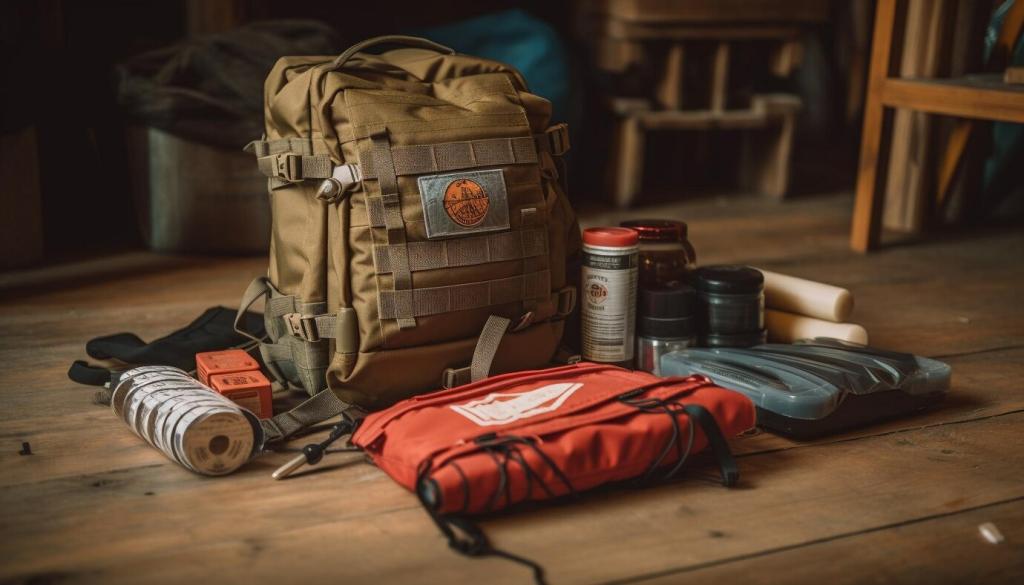
Must-Have Tripods for Nature Photographers

Today’s chosen theme: Must-Have Tripods for Nature Photographers. Step into the field with confidence as we explore the tripods that keep horizons level, wildlife sharp, and your creative pulse steady. Share your go-to setup and subscribe for more field-tested insights.

Stability Without the Burden: The Carbon-Fiber Sweet Spot

On cliff edges or riverbanks, every vibration steals fine detail. A stable tripod protects micro-contrast, keeps star points crisp, and lets you stop worrying about camera shake so you can compose, breathe, and wait for magic.
Carbon fiber dampens vibrations faster and weighs less, which matters when you hike steep miles before sunrise. Aluminum costs less and is durable, but transmits cold and shivers longer in gusts. Choose wisely for your terrain.
A sudden coastal squall once smeared a perfect long exposure because a flimsy center column quivered. Upgrading to a carbon three-section with no wobble saved later storms, and my horizons returned razor straight. Learn from that mistake.

Leg Locks That Last: Twist vs Flip in Mud, Sand, and Snow

Twist locks shed grime well and work smoothly with gloves, reducing snag points in brush. One confident quarter-turn is faster than you think, and they resist accidental toggling when you shoulder the tripod for a quick relocation.

Leg Locks That Last: Twist vs Flip in Mud, Sand, and Snow

Flip locks give instant feedback; you see if legs are clamped. They are handy in darkness, yet require occasional tension tweaks. Keep a tiny wrench in your pouch to retune after sandy creek crossings or gritty desert gusts.

The Right Head for the Job: Ball Head or Gimbal

A high-quality ball head locks solidly and moves fluidly for precise compositions. With a leveling base or levelling bowl, panoramic rows align faster. Look for strong clamping, separate pan control, and smooth friction for micro adjustments.

The Right Head for the Job: Ball Head or Gimbal

Gimbal heads balance long lenses so you track birds effortlessly without fighting gravity. When an eagle banks or a fox sprints, balanced tilt keeps motion smooth, freeing you to anticipate behavior instead of rescuing a dipping front element.
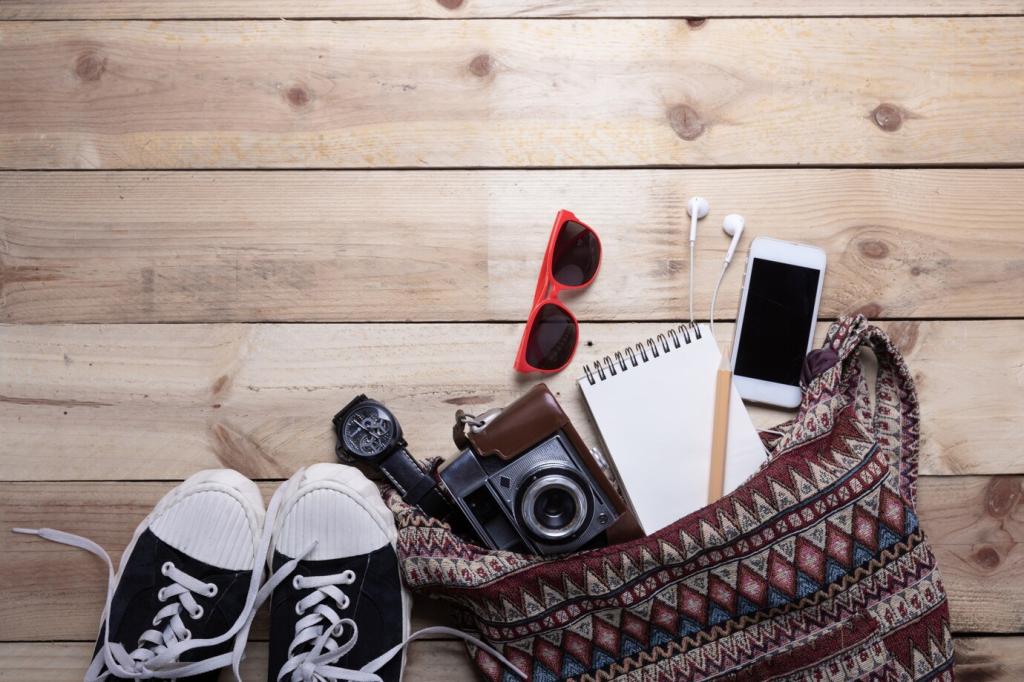
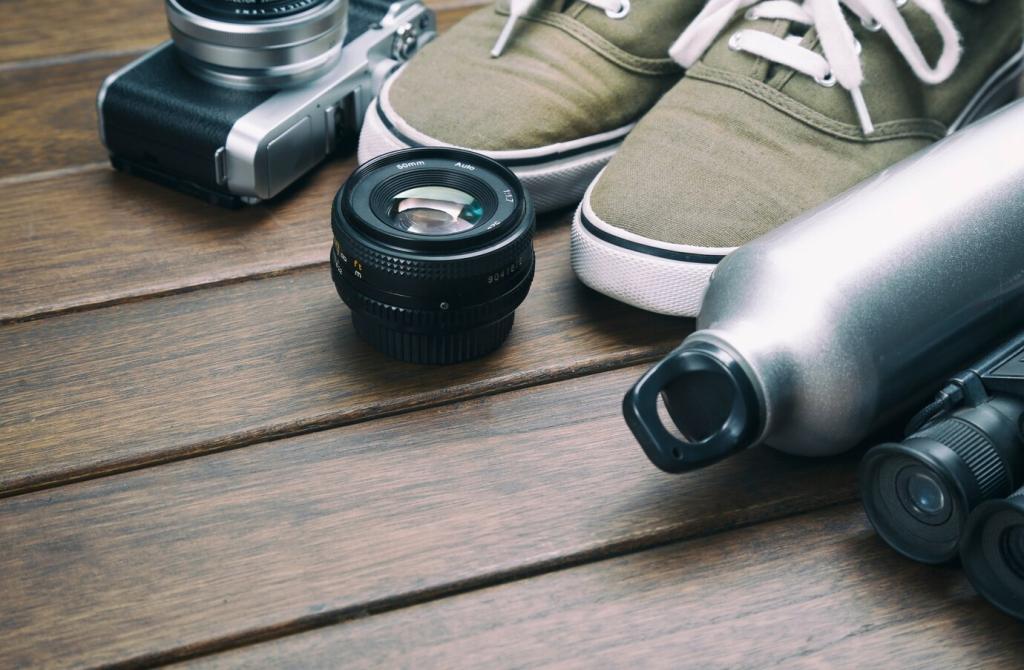
Height, Center Columns, and Low-Angle Mastery

Pick legs tall enough that the viewfinder reaches your eye without extending the center column. A rigid stance resists wind better. Your back will thank you during long blue-hour blends and meticulous focus stacks on uneven terrain.

Feet, Spikes, and Hooks: Adapting to Any Terrain

Rubber feet for rock and boardwalks

Non-marring rubber feet grip dry rock, roots, and wooden platforms while respecting leave-no-trace ethics. They reduce noise when repositioning near shy wildlife and minimize vibration on bridges or piers during long exposures at twilight.

Spikes and baskets for snow, mud, and surf

Screw-in spikes bite ice and firm soil, while wider feet or snow baskets stop legs from sinking in slush or dunes. Rinse after salt, then dry thoroughly, because corrosion begins long before you notice a stubborn thread.

Center column hooks and field weighting

A pack on the hook lowers the center of gravity, calming shudders in gusts. Use a bungee to prevent pendulum swing. What unconventional weights have saved your exposures? Drop your hack in the comments and inspire others.
Melinovalaxononex
Privacy Overview

This website uses cookies so that we can provide you with the best user experience possible. Cookie information is stored in your browser and performs functions such as recognising you when you return to our website and helping our team to understand which sections of the website you find most interesting and useful.