Chosen theme: Weather-Proof Gear for Extreme Photography. Step into the wild with confidence—stories, science, and field-tested tactics to keep cameras, lenses, and bodies alive when rain, sand, ice, and salt try to end your shoot.
A storm, a deadline, and one camera that kept breathing
On a winter coast assignment, sleet stung sideways and waves detonated on the pier. Two bodies failed. The weather-sealed one carried on, soaking, coughing, still delivering files that met the front-page deadline.
IP67 and IP68 tell you about dust and water resistance, but not freezing rain and grit under pressure. Look for gasketed doors, sealed seams, and magnesium frames that channel water away from vulnerable joints.
Follow the potential leak paths: battery door, card slot, HDMI flap, shutter button, and seams around dials. Quality bodies compress gaskets consistently, keeping capillary water out without stiffening controls in cold.
Weather-sealed lenses with fluorine-coated fronts shed spray and fingerprints, letting a single microfiber swipe restore contrast. Internal zoom designs help block inhaled dust, while robust focus rings avoid gritty grinding after sandy gusts.
Lithium batteries sag in deep cold. Carry three sets close to your base layer, rotate frequently, and dry contacts gently after rain. Waterproof pouches and labeled slots save minutes when fingers go numb.
Rugged chargers, banks, and field recharging
Rugged, IP-rated power banks and covered cables keep charging viable in storms. Clip solar panels to a pack on glacier traverses or desert treks, then recharge buffers while mid-day light blasts the horizon.
Memory cards and cases made for punishment
Use fast, durable cards and waterproof cases with secure latches. Split critical shots across two cards when possible, and never pocket loose media in wet shells. Redundancy beats heroics every single time.
Clothing, Bags, and Carry Systems That Shield the Shot
Shells, layers, and breathable membranes
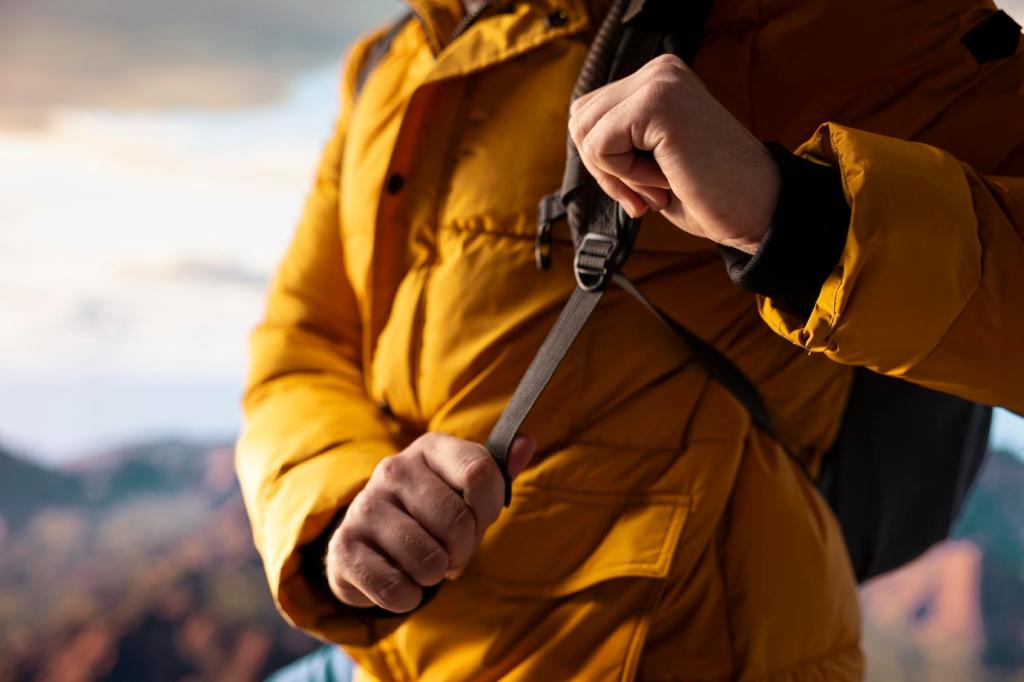
A breathable, waterproof shell with pit zips, paired with moisture-wicking base layers and warm mid layers, keeps sweat from becoming ice. Comfort extends decision-making, which extends safety, which extends the window for great photographs.
Backpacks, dry bags, and fast-access rain covers
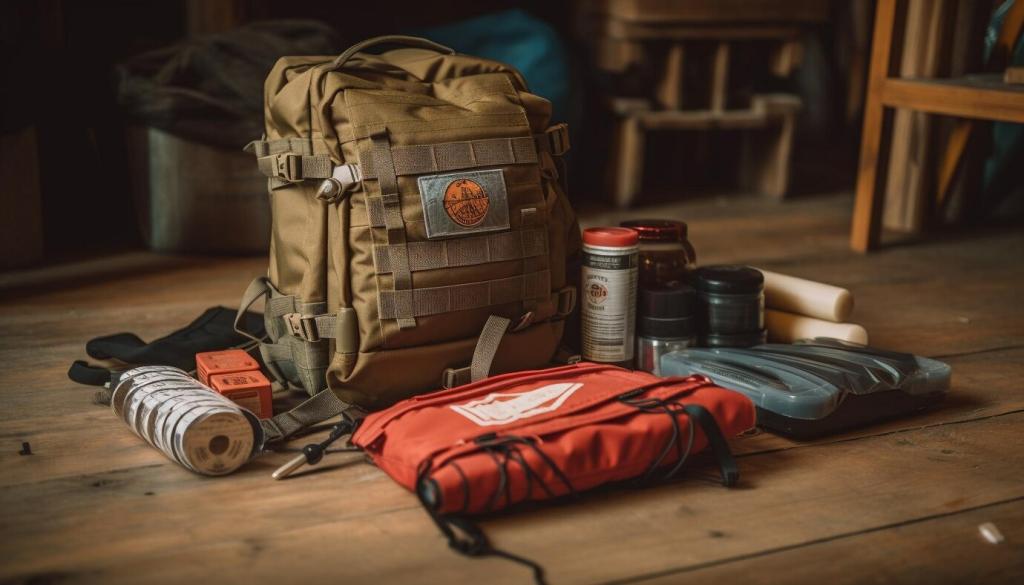
Choose seam-sealed backpacks with drain ports and DWR zippers, plus quick-deploy rain covers. Roll-top dry bags inside create layered defense, while chest-mounted pouches deliver instant access when whales breach or lightning finally strikes.
Gloves with dexterity and warmth
Thin liners under insulated mitt shells preserve dexterity. Grippy palms help on icy ladders, and flip-back finger caps speed adjustments. Slip chemical warmers near arteries, not fingertips, to warm blood before it travels.
Before stepping indoors, bag gear tightly so condensation forms outside, not inside. In cars, crack windows to balance humidity. Patience now saves sensors later, and protects delicate anti-reflective coatings from surprise dew.
Fieldcraft: Techniques That Keep Gear Alive Out There
Print a one-page checklist: seals, covers, desiccants, spare layers, battery rotation plan, data redundancy, and exit strategy. Tape it inside your pack lid. Want ours? Comment and subscribe to get the next revision.
Lessons from a glacier whiteout
On a glacier whiteout, visibility vanished and snow needles attacked. Only the weather-sealed midrange zoom stayed responsive. We simplified framing, trusted histogram, and returned with haunting, clean files clients still reference years later.
Tell us about your toughest weather shot
Share your toughest weather story and the gear that saved it. What failed, what surprised you, what would you pack differently? Subscribe for field reports, and nominate gear you want stress-tested in real storms.